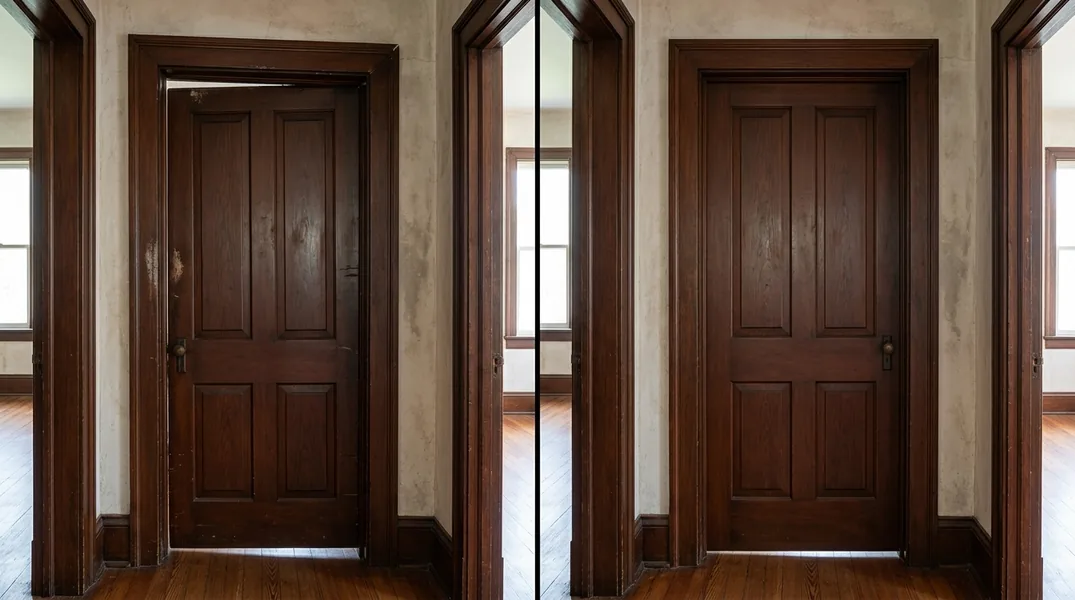
Understanding Wood Rot: Repair vs. Replace
One of the most common questions homeowners ask us at Knoxville Carpentry is whether their rotted wood can be saved or needs to come out entirely. The answer depends on several factors: the extent of the damage, the wood's structural importance, the cost comparison, and how long you plan to stay in your home. There's no one-size-fits-all answer, but understanding the key differences between repair and replacement will help you make an informed decision.
Wood rot occurs when moisture penetrates wood fibers and fungi begin to break down the cellulose. This process weakens the wood's structural integrity over time. In Knoxville, our humid subtropical climate creates ideal conditions for rot development, especially in older homes or properties with poor drainage. The earlier you catch rot, the more likely you can repair rather than replace. However, if the decay has progressed deep into the wood or affects load-bearing elements, replacement becomes the safer and more cost-effective choice.
When You Can Repair Rotted Wood Without Replacing
Surface-level rot and early-stage decay are prime candidates for repair. If the rot is limited to the outer inch or two of a non-structural board, you may be able to remove the affected wood and treat the remaining sound wood with specialized epoxy fillers and sealants. This approach works well for trim, fascia boards, window frames, and decorative elements that don't bear significant weight. Wood Rot & Dry Rot Repair at this stage is often straightforward and preserves the original character of older homes.
Repairing rotted wood without replacing it also makes sense when the damage is isolated to a small area. For example, if you have one section of rotted deck board or a corner of soffit that's compromised, surgical removal and epoxy repair can extend the life of that component for another 10 to 15 years. The key is ensuring the underlying moisture source is identified and corrected. If you don't fix the leak, poor ventilation, or drainage problem that caused the rot in the first place, the repair will fail and you'll be back to square one.
When Replacement Is the Better Choice
Full replacement becomes necessary when rot penetrates more than 30 to 40 percent of the wood's thickness, when it affects structural members like floor joists or beams, or when multiple areas are compromised. Attempting to repair deeply rotted structural wood is a false economy. The wood has already lost much of its load-bearing capacity, and a repair may fail suddenly under stress, creating a safety hazard for your family. In these cases, Floor Joist & Subfloor Repair or Beam Replacement & Load-Bearing Wall Removal may be required to restore your home's structural integrity.
Replacement is also the right call when you're replacing rotted wood siding that spans large sections of your home's exterior. Patchy repairs to siding can look unprofessional and may not provide consistent weather protection. A complete replacement of affected siding panels ensures uniform appearance, proper water management, and long-term durability. Additionally, if you're planning a major renovation or have just experienced storm damage, replacing compromised wood gives you the opportunity to upgrade to more rot-resistant materials or improve your home's overall weatherproofing.
Wood Rot Repair Cost in Knoxville: What to Budget
Understanding pricing for wood rot work is essential for homeowners deciding between repair and replacement. A simple repair using epoxy fillers and sealants typically costs between 200 and 600 dollars, depending on the area's accessibility and the amount of prep work required. This is an attractive option for small, non-structural repairs. However, if the rot is more extensive or affects siding, the cost can range from 1,500 to 5,000 dollars for removal, treatment, and restoration of a moderate-sized section.
Full replacement costs vary widely based on the material, the scope of work, and structural complexity. Replacing rotted wood siding on a home's exterior might cost 3,000 to 8,000 dollars or more, depending on square footage and whether underlying damage requires repair. Structural repairs, such as replacing rotted floor joists or beams, are more expensive due to the need for temporary support systems and professional engineering. In Knoxville, homeowners should expect to invest 5,000 to 15,000 dollars or more for significant structural wood replacement. The best way to understand your specific situation is to request a free estimate from a qualified local carpenter who can assess the damage in person.
Storm Damage and Rotted Wood: A Special Case
Storm damage often reveals hidden rot. High winds, heavy rain, and fallen branches can expose wood that's been deteriorating for years. When a storm damages your home in Knoxville, it's an opportunity to have a professional inspect not just the obvious damage but also the structural elements around it. Sometimes what looks like fresh storm damage is actually rotted wood that finally gave way under stress. In these situations, your insurance company may cover the cost of replacement if the storm directly caused the failure, but pre-existing rot typically falls under homeowner maintenance and is not covered.
This distinction makes it critical to document the sequence of events and have a professional assessment done quickly after a storm. If you can show that sound wood was damaged by the storm, your claim is stronger. Conversely, if inspection reveals that rot was already present and merely exposed by the storm, you'll likely bear the repair cost yourself. Either way, addressing the damage promptly prevents further deterioration and protects your home's structural integrity.
How to Prevent Future Rot and Make the Right Decision
The best strategy is prevention. Ensure proper drainage around your foundation, maintain gutters and downspouts, fix roof leaks immediately, and improve ventilation in crawl spaces and attics. These steps cost far less than repairing rotted wood later. Additionally, consider upgrading vulnerable areas to rot-resistant materials during repairs. Pressure-treated lumber, composite decking, and fiber cement siding are excellent alternatives that resist moisture and decay far better than untreated wood.
When you're facing a repair-or-replace decision, gather all the information you can. Photograph the damage, note when you first noticed it, and document any moisture sources in the area. This information will help a professional carpenter give you an honest assessment. At Knoxville Carpentry, we believe in transparent communication and helping homeowners understand their options without pressure. Whether your wood rot requires a modest repair or a more substantial replacement, we're here to guide you. Call us today at (865) 500-6214 or visit our website to discuss your specific situation and get a professional recommendation tailored to your home and budget.
Looking for a professional carpentry contractor in Knoxville? Knoxville Carpentry responds fast for all your carpentry needs.
Get a Free QuoteOur services: Wood Rot & Dry Rot Repair · Termite Damage Repair · Floor Joist & Subfloor Repair