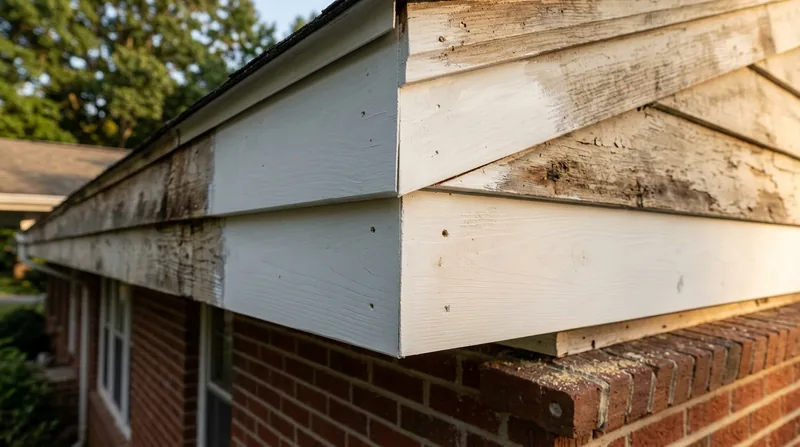




Knoxville's humid subtropical climate and winter ice storms create ideal conditions for wood rot in residential framing, siding, and trim. The region's mix of Victorian homes in Old North Knoxville, brick bungalows in Parkridge, mid-century ranches across Bearden, and log cabins in the gateway towns toward Sevierville all share a common vulnerability: exposed wood softens and fails when moisture penetrates the grain. Wood Rot & Dry Rot Repair in Knoxville requires more than cosmetic patching. We identify the source of moisture, cut out the compromised wood, treat the surrounding framing to prevent recurrence, and rebuild with rot-resistant lumber. The result is a permanent structural fix that restores integrity to your home's frame, not a temporary cover-up that masks the problem underneath.
Why Wood Rot Matters in Knoxville's Climate and Building Stock
Knoxville sits in a humid valley between the Cumberland Plateau and the Great Smoky Mountains, where summer thunderstorms and the occasional tropical-storm rainfall (like the heavy precipitation from Hurricane Helene in 2024) saturate the air and soak exposed wood. Winter ice storms coat tree canopies and power lines, and freeze-thaw cycles crack paint and open gaps in exterior trim where water pools. Victorian-era heart-pine floors, original plaster walls, and century-old wood trim behind clapboard, brick, and log facades are constantly exposed to moisture. When water enters the grain, fungi colonize the cellulose, and the wood softens from the inside out. A soft joist or sill plate will not carry load safely. A rotted rim joist or band board allows air and moisture to move freely between the crawl space and the rim, accelerating decay in the floor system above.
- Inspect basement rim joists and sill plates annually for soft spots, discoloration, or visible fungal growth.
- Check exterior trim, fascia, and siding joints where water can pool or run down into the framing behind.
- Look under eaves and at gable ends where wind-driven rain accumulates and gaps allow water to enter.
- Examine window and door casings where caulk has failed or paint has peeled away from the wood.
- Test suspect wood with a screwdriver or awl; soft, spongy resistance signals active decay that requires immediate removal and replacement.
Catching rot early, before it spreads into structural members, saves thousands in framing repairs and keeps your home's envelope sound.
Key info: A rotted sill plate in a Knoxville brick bungalow or a decayed header in a historic Fourth and Gill Victorian is not merely cosmetic. Load-bearing members must transfer weight safely. Soft wood cannot. We remove the compromised section, treat the surrounding framing, and rebuild with pressure-treated or naturally rot-resistant lumber to restore structural capacity.
For more on structural framing pathologies, see our Termite Damage Repair and Floor Joist & Subfloor Repair services, which often overlap with rot remediation. For permit and regulatory information specific to Knoxville, contact the Knoxville Building Code Enforcement Office.
How We Repair Wood Rot: Our Process in Knoxville Homes
Wood rot repair is not a one-size-fit-all job. We begin with a site visit to identify the source of moisture, assess the extent of decay, and determine whether repair or replacement is the honest answer. If the wood is still structurally sound beneath a thin surface layer of soft material, we can often save the member. If decay has penetrated deeply into a load-bearing joist or beam, replacement is required. We explain the pathology, show you what we found, and recommend the most cost-effective path forward.
- We inspect the affected area, probe with hand tools, and document the extent of soft wood and any visible moisture sources.
- We cut out all compromised wood, extending the removal into sound material to eliminate hidden decay at the margins.
- We allow the cavity to dry, then treat exposed wood surfaces with a wood preservative to inhibit fungal regrowth.
- We rebuild the removed section with pressure-treated lumber, rot-resistant species such as cedar or redwood, or Douglas fir, depending on the member and the application.
- We seal joints and edges with exterior-grade caulk or trim to prevent new moisture intrusion.
- We address the underlying moisture source, whether that means improving drainage, repairing gutters, or opening up ventilation in crawl spaces.
The goal is a repair that lasts, not a patch that requires attention again in five years.
Example: A homeowner in Sevierville noticed soft wood around a basement window well. We removed the rotted header and sill, treated the surrounding studs, rebuilt the frame with pressure-treated lumber, installed proper flashing and drainage, and sealed the exterior casing. The repair cost $1,200 and took two days. Without the work, water would have continued to enter the frame, spreading rot into the rim joist and band board. Replacement of the entire rim system would have cost four times as much and disrupted the home far more.
Repair Methods and Materials
| Approach | Description | Best for |
|---|---|---|
| Localized removal and rebuild | Cut out soft wood, treat margins, rebuild the section in rot-resistant lumber, seal edges. | Trim, fascia, localized joist decay, sill plates where damage is confined to one or two feet. |
| Sistering and reinforcement | Install a new member alongside the compromised one, bolted or nailed to distribute load and restore capacity. | Floor joists, rim joists, beam flanges where the original member retains partial strength and full replacement is not necessary. |
| Full member replacement | Remove the entire compromised member and install a new one in pressure-treated or naturally rot-resistant lumber. | Headers, beams, sill plates, rim joists, or joists where decay is extensive and structural integrity cannot be restored by sistering alone. |
| Moisture source remediation | Improve drainage, repair or install gutters, add or increase ventilation, seal exterior gaps and cracks. | All repairs, to prevent recurrence; without addressing the moisture source, rot will return. |
| Material selection | Pressure-treated lumber for below-grade or high-moisture areas; cedar, redwood, or naturally durable species for exterior trim; Douglas fir or pressure-treated for structural members. | Structural requirements and the specific location determine the species; we match the original material where possible for appearance and performance. |
For large-scale structural repairs involving load-bearing members, we may recommend a licensed structural engineer to verify sizing and load paths. See our Beam Replacement & Load-Bearing Wall Removal page for details on structural work and permitting.
Wood Rot & Dry Rot Repair Cost in Knoxville: What to Expect
The cost of wood rot repair depends on the extent of decay, the location of the damage, the material used for rebuild, and whether the underlying moisture source requires remediation. A small localized rot in exterior trim may cost $650 to $1,200. A rotted sill plate or rim joist that requires sistering or partial replacement typically runs $1,500 to $3,500. Full replacement of a structural member or extensive rot affecting multiple joists or beams requires an on-site estimate and may cost $4,000 or more.
Factors that affect your final cost include the size and depth of the decay, access to the damaged area (crawl space work costs more than accessible framing), the species and grade of lumber used for rebuild, and whether you need to address gutters, drainage, or ventilation to prevent recurrence. If structural members are involved, a permit from the Knoxville Building Code Enforcement Office is commonly required, and inspection fees apply. We can help you understand what permits are needed and what to expect from the process.
We recommend getting 2 to 3 estimates from local carpenters. Ask each contractor to explain what they found, what they recommend, and why. A low estimate that skips moisture remediation is a warning sign; the repair will fail again. A high estimate that proposes replacing framing that can be sistered is wasteful. A good estimate explains the pathology, proposes a durable solution, and is transparent about cost drivers.
For a detailed pricing breakdown and a free no-obligation estimate, contact us or call (865) 500-6214. We respond within 24 hours and can often schedule a site visit within a few days.
Hiring a Carpentry Contractor Near Knoxville: What to Look For
When you hire a carpenter to repair wood rot, you are trusting them to diagnose a hidden pathology and rebuild your home's structure. The right contractor will be fully insured, will provide references from recent local jobs, will explain what they found and why they recommend a particular repair, and will be familiar with Knoxville's building code and permitting process. They should not promise to eliminate an infestation (that is a separate regulated trade), should not make health or air-quality claims about mold or moisture, and should explain honestly when repair is possible and when replacement is necessary.
- Ask whether the contractor is fully insured and can provide proof of coverage before work begins.
- Request references from at least two recent wood rot or structural repair jobs in Knoxville, Farragut, or nearby areas, and contact those homeowners.
- Understand whether your job requires a permit and whether the contractor will handle permitting or coordinate with the building department on your behalf.
- Get the estimate in writing, with a clear description of the work, the materials to be used, the timeline, and the total cost.
- Ask whether the contractor will address the moisture source or will only repair the rotted wood; a durable fix requires both.
- If your home is historic or in a protected district (such as the Fourth and Gill or Old North Knoxville), confirm that the contractor understands local design guidelines and can match existing materials and trim profiles.
- Verify that the contractor will pull any required permits and arrange for city inspections; do not hire someone who suggests skipping permits to save money.
Knoxville Carpentry has been in business since 2016 and holds a Tennessee Home Improvement Contractor license for Knox County. We are fully insured and work on homes throughout Knoxville and the surrounding areas. Reach out for a free estimate and let us show you what we found and how we propose to fix it.
Wood Rot & Dry Rot Repair in Knoxville: Pricing Guide
| Service | Price | Details |
|---|---|---|
| Small localized rot (trim, fascia, short joist section) | Starting at $650 | Removal, treatment, and rebuild of soft wood in accessible areas; includes moisture source assessment and minor drainage improvements |
| Medium repair (sill plate, rim joist, localized floor joist) | Starting at $1,500 | Removal of compromised framing, treatment of surrounding wood, sistering or partial replacement with pressure-treated or rot-resistant lumber, sealing and caulking |
| Large or complex structural repair (full joist or beam replacement, multiple members, crawl space work) | On estimate | Extensive decay, load-bearing members, or multiple areas of rot require on-site inspection; permits and structural engineer review may be necessary |
| Moisture remediation (gutter repair, drainage improvement, ventilation enhancement) | Starting at $400 | Addressing the root cause of rot to prevent recurrence; often included in or added to repair estimates depending on the scope |
| Estimate and site visit | Free | We inspect the damage, explain what we found, and provide a detailed written estimate; no obligation to book; response within 24 hours at (865) 500-6214 |
Indicative pricing, the exact cost depends on square footage, finish, and site access. Free personalized estimate within 24h at (865) 500-6214.


