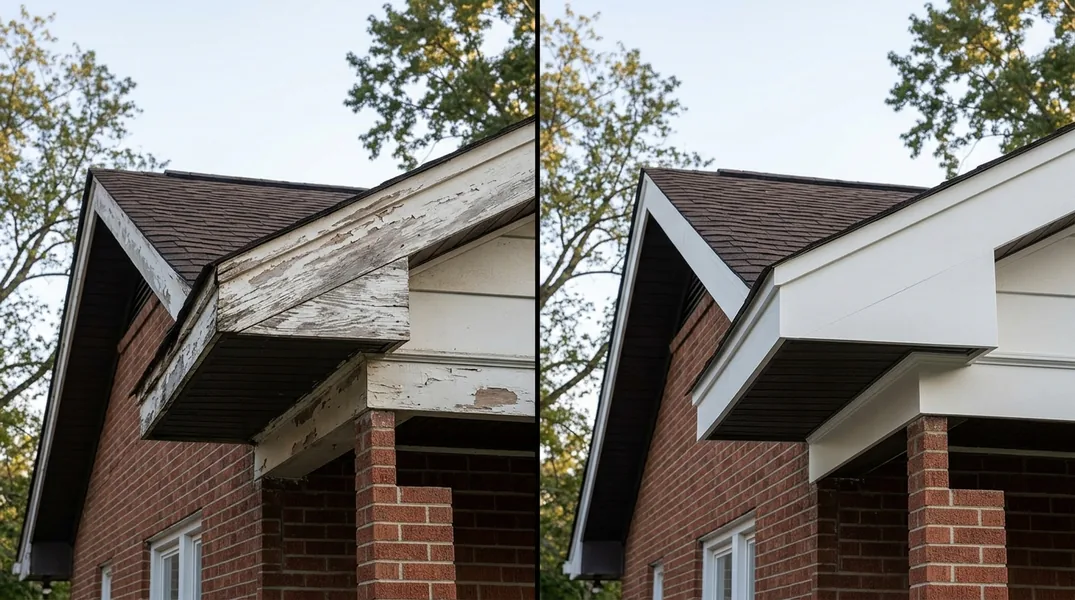
Why Historic Homes in Knoxville Demand Different Wood Care
If you own a Victorian in Fourth and Gill or a Colonial in Sequoyah Hills, you already know that historic homes are investments in character, craftsmanship, and local heritage. But that charm comes with a responsibility: these older structures were built with materials and methods that, while beautiful, require more vigilant maintenance than modern homes. The wood framing, exterior siding, and interior joists in homes built before 1950 are often more vulnerable to moisture intrusion, pest damage, and decay than contemporary construction.
The challenge isn't that Victorian and Colonial homes are poorly built. Quite the opposite. The issue is that decades or even a century of exposure to Knoxville's humid subtropical climate, combined with settling foundations and aging waterproofing, creates the perfect environment for wood deterioration. Many homeowners don't realize that a small moisture problem in the basement, attic, or around window frames can silently develop into serious structural issues. Understanding the specific vulnerabilities of your historic home is the first step toward preserving it for the next generation.
Recognizing the Early Signs of Wood Rot and Decay
One of the most important skills any historic homeowner can develop is learning to spot the early warning signs of wood rot before it becomes catastrophic. Unlike dramatic structural failures, wood decay often announces itself quietly through subtle visual and tactile clues. Soft or spongy wood around window sills, a musty smell in the basement, or visible discoloration on exterior siding are all red flags that moisture has begun breaking down the wood's cellular structure.
Wood Rot & Dry Rot Repair becomes significantly more affordable and less disruptive when caught early. If you notice paint peeling in unusual patterns, wood that feels hollow when you press on it, or areas where the grain appears to be separating, these are signs that fungal decay is actively consuming the wood. In Knoxville's climate, where humidity levels can spike seasonally, it's wise to conduct a thorough visual inspection of vulnerable areas at least twice a year, especially after heavy rain or in spring when moisture is highest.
Common Problem Areas in Victorian and Colonial Homes
Certain parts of historic homes are far more susceptible to wood damage than others, and knowing where to focus your preventive efforts can save thousands in repair costs. In Victorian homes, the ornate exterior trim, wraparound porches, and decorative cornices are particularly vulnerable because they trap moisture and receive constant weather exposure. Colonial homes often struggle with issues around their chimneys, where flashing can deteriorate and allow water to seep into the framing behind the brick.
Basements and crawl spaces present another critical concern. Many historic Knoxville homes were built with minimal waterproofing, and the wooden sill plates (where the house frame sits on the foundation) are especially prone to moisture absorption. If you notice dampness or standing water in your basement, the wood framing above is almost certainly at risk. Similarly, wood siding on the north side of the house, which receives less direct sunlight and dries more slowly, tends to develop rot faster than south-facing walls. Attic spaces, particularly around roof penetrations and poorly maintained gutters, are another hotspot where water can accumulate and damage structural beams over time.
The Connection Between Moisture, Termites, and Structural Damage
While wood rot and Termite Damage Repair are distinct problems, they often work together to compromise a historic home's integrity. Termites are attracted to damp wood, so a moisture problem doesn't just create rot; it also increases the likelihood of a termite infestation. Once termites establish a colony in the moist wood of a Victorian or Colonial home, they can cause damage that rivals or exceeds that of fungal decay, especially if the infestation goes undetected for months or years.
The relationship between these two threats means that addressing moisture is not just about preventing rot; it's also a critical pest prevention strategy. Historic homes with poor drainage, clogged gutters, or cracked foundations are at heightened risk for both problems simultaneously. This is why a comprehensive approach to historic home maintenance must address water management first. If you suspect either wood rot or termite damage, professional inspection is essential because the two problems may be present together, and treating one without addressing the other is unlikely to solve your structural issues long-term.
Preventive Maintenance: The Most Cost-Effective Strategy
The most honest advice any carpenter can give a historic homeowner is that prevention is dramatically cheaper than repair. A annual maintenance routine that focuses on moisture management can extend the life of your Victorian or Colonial home by decades and prevent the need for expensive structural interventions like Floor Joist & Subfloor Repair or Beam Replacement & Load-Bearing Wall Removal.
Start with gutters and downspouts. Keeping gutters clean and ensuring water is directed at least six feet away from the foundation prevents the most common source of basement moisture. Inspect exterior caulking around windows and doors annually, and recaulk as needed to prevent water from penetrating behind the siding. Check your grading to ensure water slopes away from the house rather than pooling against the foundation. Ensure proper attic ventilation to reduce moisture buildup, and maintain your roof in good condition because roof leaks are one of the fastest ways to introduce moisture into structural framing. Finally, keep an eye on wood siding for early signs of paint failure or physical damage, and address small problems before they become large ones.
When to Call a Professional: Wood Rot & Dry Rot Repair Near Me
There's a natural instinct among homeowners to handle repairs themselves, but wood damage in historic structures often requires professional expertise. A carpenter experienced in historic home repair understands the structural significance of different framing members, knows how to source appropriate replacement materials, and can ensure that repairs maintain the architectural integrity of your home. Attempting to cut out and patch rotted wood without understanding load paths and structural requirements can actually make problems worse.
If you've noticed soft wood, musty odors, or visible decay in your historic home, contacting a professional for a free estimate is the wise next step. Knoxville Carpentry specializes in wood rot repair and historic home restoration, and we can assess the extent of damage, identify the moisture source, and recommend the most appropriate repair strategy. You can reach us at (865) 500-6214 to discuss your concerns. Early professional intervention often prevents the need for much more expensive structural repairs down the road, making it one of the best investments you can make in your historic home's longevity.
Looking for a professional carpentry contractor in Knoxville? Knoxville Carpentry responds fast for all your carpentry needs.
Get a Free QuoteOur services: Wood Rot & Dry Rot Repair · Termite Damage Repair · Floor Joist & Subfloor Repair